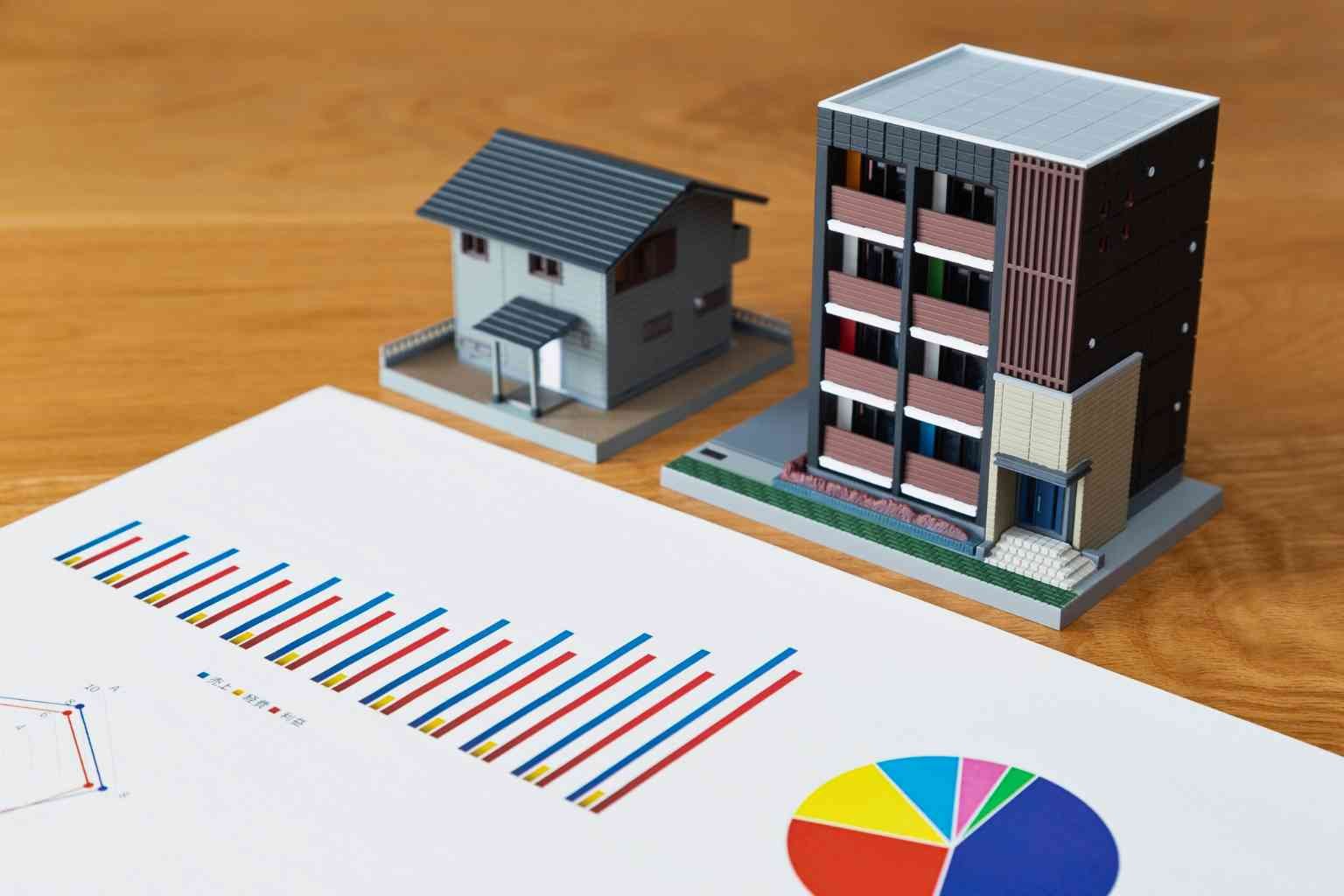
Money loses its purchasing power due to inflation. When prices for goods and services go up, the value of cash savings goes down. That’s why investors seek assets that can shield their wealth from inflation. Real estate has long been seen as one of the most dependable ways to guard against inflation. Its cash flow and appreciation potential makes it a good long term hold in times of inflation.
1. Understanding Inflation and Asset Protection
Inflation is the general rise in prices across the entire economy. Construction costs, land prices and rental rates all tend to rise when inflation is up. Values of real estate often rise in tandem with these costs, enabling investors to hold on to purchasing power.
2. Property Values Pushed Up by Replacement Costs
Because of inflation, labor and the cost of materials become more expensive and so does land on which to build new structures. That lifts the replacement cost of buildings, to the benefit of previously built houses and commercial structures whose market values start at greater levels.
3. Rental Income Adjusts With Inflation
One big benefit from real estate is rental income.
- Rent increases over time
- Annual escalation provisions in lease agreements may increase costs.
- Higher demand in growing cities
- Inflation-linked rental adjustments
- Stable monthly cash flow
This steady income can help offset increased living costs.
4. Tangible Asset With Intrinsic Value
Real estate is real, physical property as opposed to paper investment. Land and the structures are inherently useful. Housing, office space and commercial spaces are always in demand. This basic need provides for value even when things are bad with the economy.
5. Leverage Benefits in Inflationary Periods
Loans are often taken out by real estate investors in order to fund the purchase of a property. If the value of property is appreciating due to inflation, and you are paying a fixed-interest loan that is tied to rent; your repayment will decrease in real value. Over time, inflation is a process for eroding the real burden of debt.
- Fixed interest rate loans
- Rising property value
- Increasing rental income
- Improved equity growth
- Lower real cost of borrowing
This leverage enhances return potential.
6. Limited Supply and Growing Demand
There’s not much land available, certainly in cities. With expanding populations and cities, so too the need for places to live and do business. In a tight market with growing demand property prices automatically go up.
7. Portfolio Diversification Advantage
Real estate acts in several ways unlike stocks and bonds. Property is often seen as a hedge during stock market volatility. Real estate in an investment portfolio mitigates overall risk.
8. Protection During Economic Uncertainty
Inflation Historically, real estate has held its value in the face of inflation. Short-term price adjustments may be necessary for long-term positive trends in developing markets where infrastructure investments are strong.
9. Long-Term Wealth Building
Real estate is rarely a short-term investment. Appreciation and rental income become compounded returns over longer holding periods. This long-term view enhances its role as an inflation hedge.
10. Considerations Before Investing
While it remains a strong hedge, investors must consider ‘location’, market demand and financial cost.” Choosing the right type of property and location is important to take advantage from the protection against inflation.
Key Takeaways
Real estate still is an inflation hedge, as prices of property and rental income typically increase with higher prices. As construction prices rise and demand stays consistent, real estate retains spending power. As a long-term asset you have leverage benefits and asset appreciation potential with real estate as well, so it is something that has been historically sought after in times of high inflation.
FAQs:
Q1. Why is real estate seen as an inflation hedge?
As property values and rents are apt to increase with inflation.
Q2. Does money appreciate with inflation?
Yes, rents frequently increase to keep pace with higher costs.
Q3. Is real estate better than cash in inflationary times?
Cash declines in purchasing power, while property’s value can typically hold or rise.
Q4. Can house prices drop when inflation is high?
Short-term gyrations can occur, but long-term trends are usually positive.
Q5. Is property a good long-term investment?
Yeah from my perspective it’s more about long-term wealth generation.