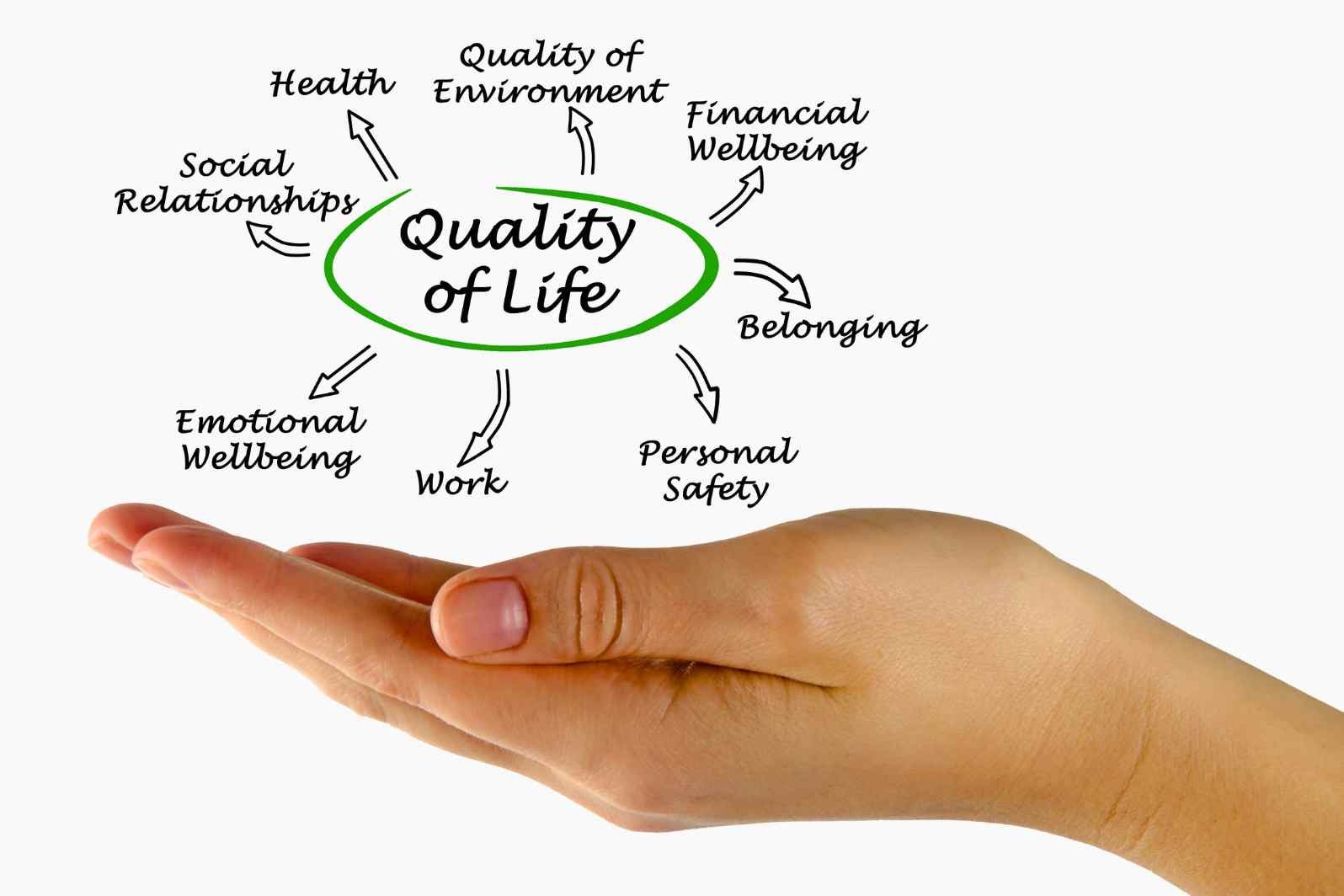
We are not longer defining quality of life only in terms of income or material possessions. Today, people are more concerned with how they feel on a day to day basis, whether their life is in balance and whether their mind remains at peace despite all the demands on it daily. Today’s fashions are indicative of this change. They care less about fast and fierce, more about thriving and comfort and deep living. Keeping up with the right lifestyle trends does not mean emulating others. It amounts to knowing what makes daily life better and building with it a structure that grows up from the ground.
Drop Off The Constant Busy Living For A Consideration Of Balance
The most significant way of life change these days is a rejection of constant busyness. Busy used to be a sign of success. Now, a lot of people know that constant busyness causes stress, burnout and bad health. The new vibes fit the Focus on Balance. This includes prioritizing work while also making time for relaxation, family and personal interests. They are learning to slow down without guilt.
Make Mental Wellness A Priority In Day To Day Living
There is no longer a veil over mental health. The way we speak about stress, anxiety and emotional well-being is out in the open. This awareness has altered our lifestyles. Daily rituals around taking breaks, setting boundaries and practicing self-awareness are the new normal. Instead of repressing emotions, people are being taught to identify and regulate them.
Mental well-being trends include:
- Accepting rest as necessary
- Reducing unnecessary stress
- Seeking emotional balance
Being at ease in the head really does make life that much better.
Healthier And More Sustainable Daily Routines
Rigorous workouts and intense diets are being replaced by sustainability. From an evolutionary standpoint, people are more likely to choose routines they can stick with over the long haul rather than chasing quick results. Healthy everyday movement, regular meals, good sleep and hydration are suddenly higher priorities than extreme plans. It’s this wellness supportive behavior that advantages our energy, immunity and emotional balance.
Sound body, sound mind leads to better performance at work.
Responsible Use Of Technology And Screen Time
Technology is necessary, but its overuse harms focus, sleep and peace of mind. Learning to use technology wisely is one key lifestyle trend. People are establishing digital limits to help keep stress at bay. This could involve some degree of restriction to screen time before sleep, less consumption via social media or deactivation of pointless alerts.
Mindful technology use helps:
- Improve focus
- Support better sleep
- Reduce mental overload
Technology should serve life, not the other way around.
Simple Living And Minimalist Choices
A lot of folks are taking up the practice of simple living to minimize stress and clear mental clutter. This trend is all about having just the items that you actually need or resonate. Minimal factors do not have to be at the cost of comfort. They mean avoiding excess. More empty space means easier routines, clean spaces and calm thinking. There is often a benefit to your emotional peace and financial comfort when you live like no one else.
Flexible Work And Lifestyle Adjustments
Work patterns are changing. Remote working, flexible hours and hybrid models are potentially helping people design their days better. This has made daily life easier for many. Flexible modes of living means less stress in commuting, and more time for health, families and hobbies. And people are learning to work smarter, not harder.
Relational Connection And Social Equilibrium
Social life is also evolving. Instead of big social circles, people are thinking about close and meaningful relationships. High-quality connections matter more than continual interaction. Being around encouraging individuals has a positive affect on one’s self-esteem. It can also be beneficial even necessary to put up mental health-related boundaries with those who keep negative environments.
Conclusion
Among trends for better living are balance, mindfulness and simplicity. Focus on mental health, establish sustainable habits, be present with technology, and develop lasting relationships are just a few ways to improve our quality of life. These aren’t fads about doing more, but living better. By selecting habits that help long-term health and well-being, people can make their life feel more calm, more healthy and just all-around better every single day.
FAQs:
Q1. Should I Try All Lifestyle Trends For Quality Of Life?
No, you pick trend that fit your personal needs and comfort.
Q2. Does Changing Your Life Have To Be So Difficult?
Yes, little things add up to have a powerful long-term impact.
Q3. Is Quality Of Life Just About Health?
No, it’s about peace of mind, balance, relations and fulfilment.
Q4. Are These Lifestyle Trends Feasible for the Busy Individual?
Sure, most cultures venerate ease of life, not more pressure.
Q5. What are some lifestyle changes I can make to start improving today?
Start with one habit, like better sleep or less screen time.