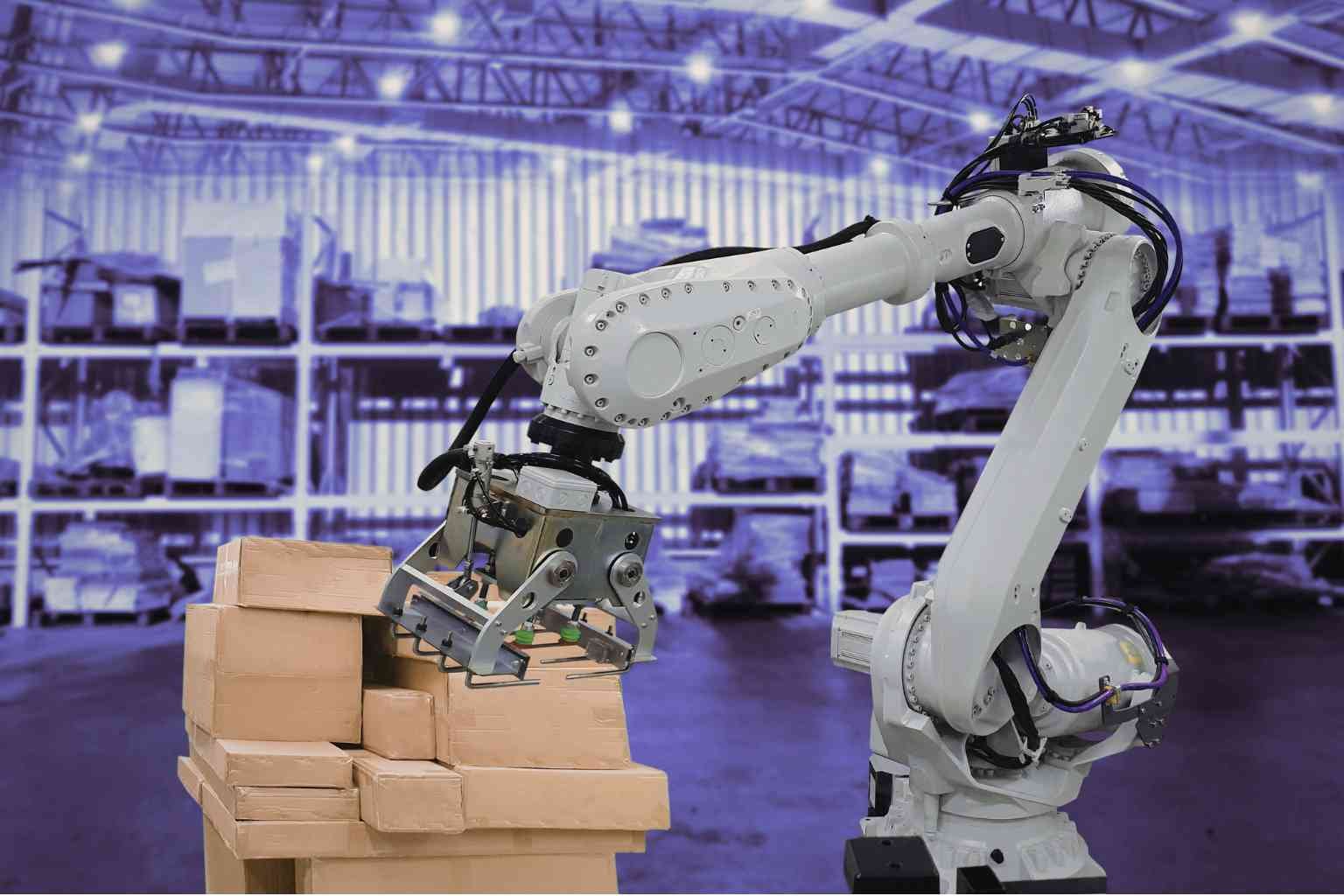
Automation has existed for decades. Conventional automation works according to strict rules and does monotenous work as per the programmed commands. But a new version of this idea is changing. An autonomous system is more than simple automation. They can feel what’s happening around them, make choices and adjust accordingly without needing human supervision all the time.
Away from autonomous vehicles and intelligent manufacturing robots, the way we think about automating processes in today’s industries has changed.
1. What Are Autonomous Systems
Unmanned technology is the term for products that can run by themselves using AI, sensors and data analysis. As opposed to the conventional automation systems that rigidly abide by programmed rules, autonomous system could adjusts its activity in relations to contemporary conditions and structures around.
They integrate perception, reasoning and action into a single decision making process.
2. Difference Between Automation and Autonomy
Classic automation gets jobs done predictably. It does not adjust to surprise as readily. In contrast, the self-system interprets live experiences and changes itself as a consequence.
“This is a game changer in terms of the technological capability.
3. Role of Artificial Intelligence
Everything that’s about autonomy is about artificial intelligence. AI algorithms analyze data from:
- sensors
- cameras
With machine-learning models, systems can learn from experience and get better over time.
This continuous learning enhances adaptability.
4. Applications in Transportation
Self-driving cars are the most immediately noticeable example. Autonomous vehicles rely on sensors, cameras and artificial intelligence to steer along streets, avoid obstacles and make driving decisions.
This is a technology for the safety and efficiency of transportation.
5. Industrial and Manufacturing Impact
Robots that can operate independently in factories will perform more complex tasks like:
- sorting
- assembling
- checking the quality of products
They are able to recognize flaws, and modify how they operate without human reprogramming.
This increases efficiency and minimises time down.
6. Key Benefits of Autonomous Systems
Autonomous systems provide several advantages:
- Increased operational efficiency
- Reduced human error
- Continuous 24/7 operation
- Improved safety in hazardous environments
- Real-time decision-making capability
These advantages lead to quick adoption in all fields.
7. Unmanned Systems in Agriculture and Logistics
In agriculture, self-driving tractors and drones keep an eye on crops and manage watering. In logistics, warehouse robots are seeing increasing use to keep track of inventory and to route packages.
Such mechanisms are aimed at increasing the accuracy of results and reduce labor intensive tasks.
8. Challenges and Risks
Despite progress, challenges remain:
- High development and deployment costs
- Ethical concerns around decision-making
- Safety risks in unpredictable environments
- Regulatory uncertainty
- Cybersecurity vulnerabilities
Safe implementation needs to be closely monitored.
9. Human and Machine Collaboration
Humans are not simply removed from the loop with autonomy. Instead, they change them. It is a world where people work on supervision, strategy and exceptional event management and machines take care of repetitive and data-driven type tasks.
This collaboration enhances overall productivity.
10. The Future of Intelligent Automation
Autonomy is the future of automation. As sensors get better and AI models continue to advance, systems will work with more autonomy. Autonomous technologies may play a key role in smart cities, connected transportation systems and the internet of things.
And the future generation of automation are the autonomous systems where machines not just do things but they think, adapt and respond dynamically.
Key Takeaways
- “Automation” gets reinvented as “autonomy,” the defining feature of which is intelligent adaptability
- Supported by artificial intelligence and real-time data, they work autonomously and optimize productivity for all sectors
- The shift in focus from AI toward intelligent autonomy is setting the stage for where technology will head next
FAQs:
Q1. What is an autonomous system?
It is a self-operating system based on AI and sensor information.
Q2. How does autonomy differ from automation?
Automation is rule-based, while Autonomy evolves to learn from new experiences.
Q3. Where are autonomous systems used?
In shipping, construction, farming, warehousing and in robotics.
Q4. Are autonomous systems completely independent?
They are self-sufficient but need human supervision.
Q5. What is the challenge for autonomous systems in general?
It is about keeping things safe, secure, and ethical.