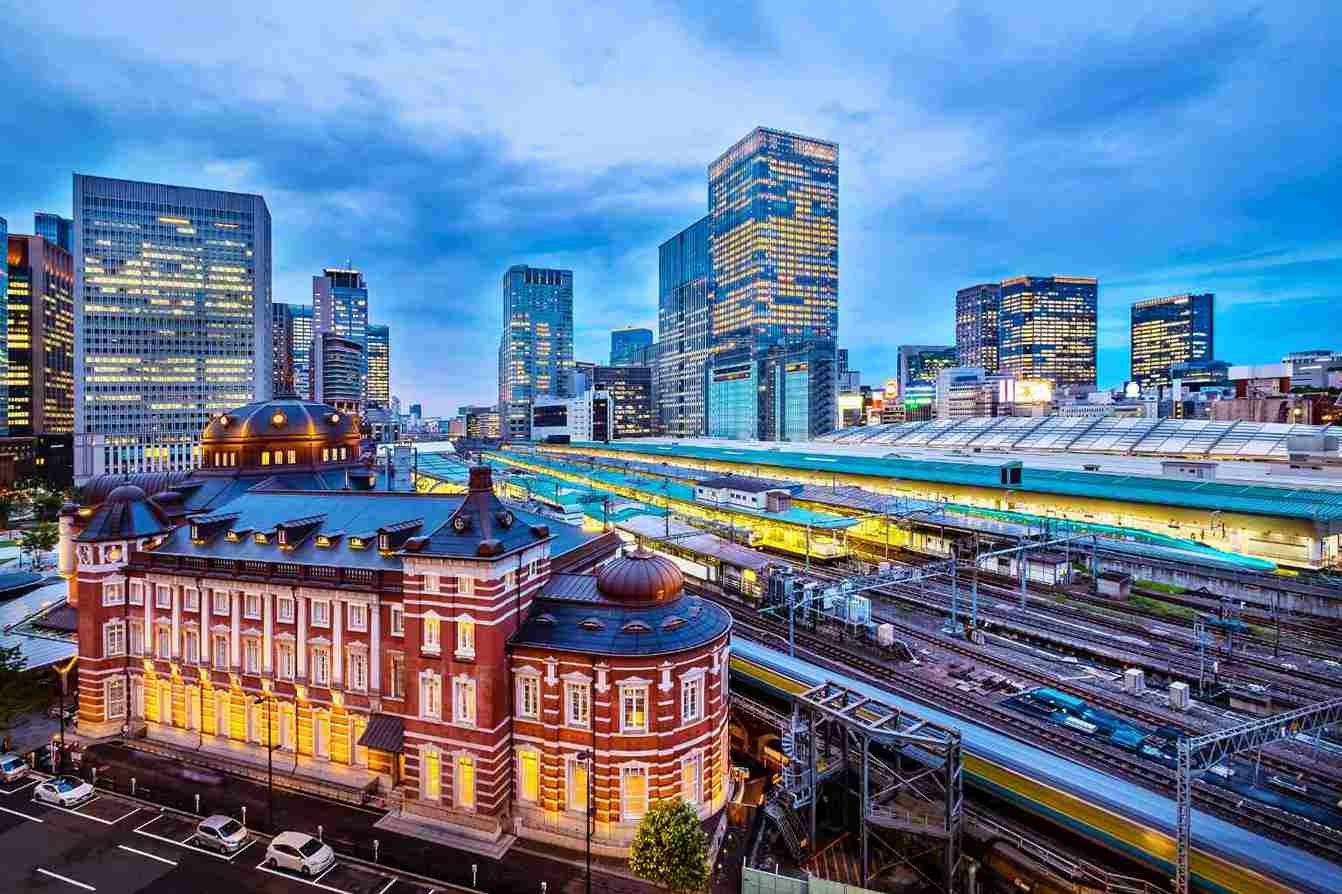
Transportation nodes, including metro stations, railway terminals, airports and key bus depots serve as more than just transfer points for people. They reshape entire neighborhoods. Announcing a transport hub or when it becomes operational, the value of property in an area relatively rises. These small growth pockets have come to be defined as micro-markets. Such infrastructure projects are also closely watched by builders and investors as they can quickly lead to massive property booms.
1. Real Estate Micro-Market Explained
The term “micro-market” is defined as a small geographic area in a city with its own unique demand and pricing mechanisms. The neighborhood could be a few streets, a group of houses or an entire area around such a project. Boon for transport hubs Transport hubs can easily transform such micro-markets into major markets.
2. Improved Connectivity Drives Immediate Demand
Connectivity is one of the most powerful drivers of real estate values. But when a metro station or a railway terminal shortens the daily commute time for people, they won’t mind having their homes nearby. Less travel time is a better way of life, which both buyers and tenants appreciate due to its convenience and work-life balance.”
3. Rise in Residential Development
Developers soon spot the bounty sitting near transit nodes.
- Launch of high-rise apartments
- Growth of affordable housing projects
- Increased rental housing demand
- Transit-oriented residential complexes
- Mixed-use developments
All that fast building is good for property transactions.
4. Commercial Growth and Employment Boost
At transit nodes appear offices, retail outlets, restaurants and hotels. Companies like locations where there are a lot of people passing by and it is easy to find. On the other hand, when more people are employed, demand for housing in adjacent regions increases.
5. Increase in Property Prices
Property prices frequently spike in waves near transport hubs.
- Announcement stage triggers speculative buying
- Construction phase increases investor interest
- Completion phase attracts end users
- Commercial activity strengthens demand
- Long-term appreciation stabilizes prices
It’s usually the early bird that gets the best deal.
6. Higher Rental Yields
Sector 36 The areas around the transport hubs usually see strong rental demand. Professionals and students want to live near public transport. This helps keep vacancy rates low and generates constant rental income.
7. Growth of Transit-Oriented Development
It’s a popular planning tool in many cities that advances transit-oriented development. It promotes high-density residential and commercial development near transport stations. It is good for land use and eases traffic pressure.
8. Lifestyle and Convenience Appeal
Proximity to a mode of transport decreases reliance on a car. It has convenient public transportation, retail and daily service facilities. This lifestyle advantage contributes to the attractiveness of this property.
9. Risks of Over-Speculation
Transportation hubs offer opportunities, but investors have to evaluate the risks; they aren’t just for real-estate developers. Announcement-stage overpricing erodes subsequent returns. Sellers and buyers must assess the real connectivity gains and long-term urban strategy involved.
10. Long-Term Urban Impact
Transport interchange ‘nodal’ points can turn grubby corners into the next place you want to have a drink or hoover up housing stock. Rapidly increasing infrastructure invites nonstop development, and previously independent locales become buoyant micro-markets with no slackening interest.
Key Takeaways
Transport nodes generate micro-market property booms by extending connections, making commercial sense and growing resident appeal. Investing close to these hubs early on can yield significant appreciation and rental returns. But it is certainly quite a bit of work and timing if you want to make the most of it.
FAQs:
Q1. What is a property micro-market?
It’s a small problematic sub-market in a city which has its own peculiar pattern of supply and demand, and pricing.
Q2. Why do property prices rise in transport hubs?
For the simple reason that increased connectivity leads to more demand from prospective buyers and renters.
Q3. Is it good to invest near a metro?
Frequently, yes, because of robust rental demand and appreciation potential.
Q4. So, do property prices go up right after there is an announcement?
Prices may rise between announcement and construction.
Q5. Do locations near transport hubs come with risks?
Yes, too much speculation and project delays can hurt returns.